
 020 3744 3778
Gardening's Role in the Fight Against Climate Change
Posted on 03/09/2025
Gardening's Role in the Fight Against Climate Change
Climate change is one of the most urgent challenges facing humanity. While international agreements, technological advancements, and policy shifts are essential for tackling global warming, there is a powerful and effective response available to individuals, communities, and urban dwellers: gardening. The role of gardening in mitigating climate change is often underestimated, but as research deepens and awareness grows, it's clear that gardens--large or small--provide a direct and impactful means for reducing carbon emissions, fostering biodiversity, and building ecological resilience.

How Gardening Helps Combat Climate Change
While gardening may appear to be a leisure activity or a pursuit limited to food production and landscaping, its environmental benefits reach far beyond. Eco-friendly gardening practices have the potential to sequester carbon, save energy, conserve water, and support a thriving ecosystem. Let's explore the many ways in which gardening supports the fight against climate change.
The Carbon Sequestration Power of Plants
At its most fundamental level, photosynthesis is the process by which plants absorb carbon dioxide (CO2) from the atmosphere, storing carbon in their tissues and releasing oxygen. By increasing the amount and variety of plants in our environment, gardening acts as a natural method for carbon capture and sequestration. The effects are cumulative:
- Trees and shrubs store large amounts of carbon in their trunks, branches, and roots over years and even centuries.
- Flower gardens and herbaceous perennials fix carbon in their leaves, stems, and root structures.
- Vegetable gardens contribute by pulling CO2 from the air during the growing season.
- Even lawn alternatives such as native ground covers or wildflower meadows help reduce atmospheric carbon more than traditional grass lawns.
*The more green, living matter you support in your garden, the more you help reduce greenhouse gases--making gardening for climate change a practical household solution.*
Soil Health and Carbon Storage
Soil is an enormous carbon sink, storing more carbon than the world's vegetation and atmosphere combined. Regenerative gardening techniques can dramatically improve the soil's ability to capture and retain carbon. Traditional gardening methods that disturb soil--such as tilling--release CO2. However, climate-friendly gardening encourages:
- No-dig or no-till gardening: Minimizes soil disturbance, preserving soil structure and carbon stores.
- Mulching: Organic mulches (wood chips, leaf litter) protect the soil, feed beneficial microbes, and contribute organic matter--building long-term soil carbon reserves.
- Cover cropping: Planting legumes and grasses during the off-season keeps soil active, reduces erosion, and sequesters carbon year-round.
- Composting: Transforming kitchen and yard waste into compost turns what would be methane-emitting garbage into a valuable soil additive that boosts carbon content.
*Healthy, living soil is at the heart of gardening's climate impact, making every compost pile and mulch bed a weapon in the fight against global warming.*
Biodiversity: Gardening's Secret Weapon
Effective gardening against climate change isn't only about carbon; it's about fostering resilient, biodiverse ecosystems. By prioritizing native plants and creating habitats for wildlife, gardens become havens for pollinators, birds, amphibians, and beneficial insects. Here's how biodiversity in the garden helps:
- Pollinator gardens support bees and butterflies necessary for crop pollination and food security.
- Native species require less water and fertilizer, thriving in local conditions and supporting local wildlife.
- Pest control: Diverse plantings attract predators and parasitoids, reducing the need for synthetic pesticides.
- Genetic diversity within plants increases resilience to weather extremes and changing climates.
By enhancing ecosystem resilience, climate-smart gardening ensures our backyards and communities can better withstand the effects of climate disruption.
Reducing Urban Heat Islands Through Gardening
Urban areas experience higher temperatures--a phenomenon known as the "urban heat island" effect--due to concrete, asphalt, and lack of vegetation. Thoughtful gardening in cities plays a key role in reversing this trend:
- Green roofs and vertical gardens: Transform buildings into lush, living spaces that cool cities, reduce energy demands, and improve air quality.
- Trees and shade plantings lower local temperatures and provide cooling microclimates for both people and wildlife.
- Community gardens in vacant lots can transform neglected spaces into cooling oases, doubling as sources of fresh produce and community interaction.
Less Waste, Fewer Emissions: Sustainable Gardening Practices
Another key role for gardening in climate change is in waste reduction and more efficient resource use. The environmental costs of food waste and synthetic fertilizers are significant contributors to greenhouse gas emissions. Gardening mitigates this through:
- Home composting: Cuts food waste sent to landfill (where it emits methane), instead cycling nutrients directly into garden soil.
- Organic gardening: Avoids fossil-fuel-derived fertilizers and pesticides, lessening their ecological impact and pollution.
- Rainwater harvesting and drip irrigation: Efficient use of water drastically reduces consumption attributed to gardening.
- Sowing heirloom seeds and seed saving: Reduces dependency on industrial agriculture--with all its emissions--and preserves crop diversity.
Reducing Food Miles with Edible Gardens
Supermarket food travels hundreds, sometimes thousands, of miles--resulting in significant carbon emissions from transport, packaging, and refrigeration. Edible gardening offers a compelling solution:
- Grow your own vegetables, fruits, and herbs: Directly slashes the carbon footprint of your diet.
- Local and seasonal eating: Encourages sustainability and greater connection to place and season.
- Sharing surplus with friends, neighbors, and community groups furthers the positive impact.
Gardening for carbon reduction is most potent when food production is prioritized close to home, minimizing shipping and packaging waste.
Gardening and Climate Adaptation: Preparing for the Future
Beyond mitigation, gardening for climate adaptation helps communities respond proactively to changing weather patterns, increased droughts, floods, and unpredictable seasons:
- Resilient plant selections: Drought-tolerant, heat-adapted, and flood-resistant plants safeguard gardens as conditions change.
- Rain gardens and bioswales: Absorb stormwater, reduce flooding, and improve groundwater recharge.
- Shaded outdoor spaces: Protect people and animals from extreme heat.
- Food security gardens: Increase local food independence in times of supply chain disruption.
The combined effect of these practices is not just beauty and bounty, but a buffer against the instability of a warming world.
Community, Education, and Advocacy Through Gardening
Gardening's role in climate change solutions extends far beyond individual action. Whether in schools, community plots, or urban farms, gardens are powerful tools for education and collective action:
- Teaching sustainability: Children and adults alike learn about ecosystems, food production, and environmental stewardship.
- Community empowerment: Shared gardening projects bring people together to tackle climate goals, foster resilience, and build social ties.
- Citizens as advocates: Gardeners become informed voices for broader environmental change, encouraging sustainable policies on lawns, urban green spaces, and food systems.
When many gardens work together, their climate effects multiply, sending ripples of change far beyond their borders.
What Makes a Climate-Smart Garden?
Building an eco-garden for climate means considering all aspects of design, maintenance, and purpose:
- Prioritize perennial, native, and edible plants: These maximize carbon capture, support wildlife, and reduce inputs.
- Replace lawns with wildflower meadows, vegetable beds, or shrubs to increase biodiversity and store more carbon.
- Use organic practices: Eliminate synthetic fertilizers and pesticides that require fossil fuels to produce.
- Conserve water: Use rain barrels, drip irrigation, and mulch.
- Enrich the soil: Regularly add compost and mulch, avoid over-tilling.
- Support pollinators: Provide nectar-rich flowers, nesting habitats, and avoid harmful chemicals.
- Plan for diversity: Include many layers (trees, shrubs, herbs, ground covers) for ecological resilience.
Simple Steps for Every Gardener
- Start composting all your fruit and vegetable scraps and yard waste.
- Switch synthetic fertilizers for organic compost, worm castings, or manure.
- Choose drought-tolerant and native plants.
- Replace or reduce your lawn with low-maintenance alternatives.
- Use hand tools instead of gas-powered garden equipment whenever possible.
- Plant a fruit tree, berry bush, or food hedge.
- Share knowledge and surplus produce with neighbors, expanding your impact.
The Multiplier Effect: Small Gardens, Big Climate Impact
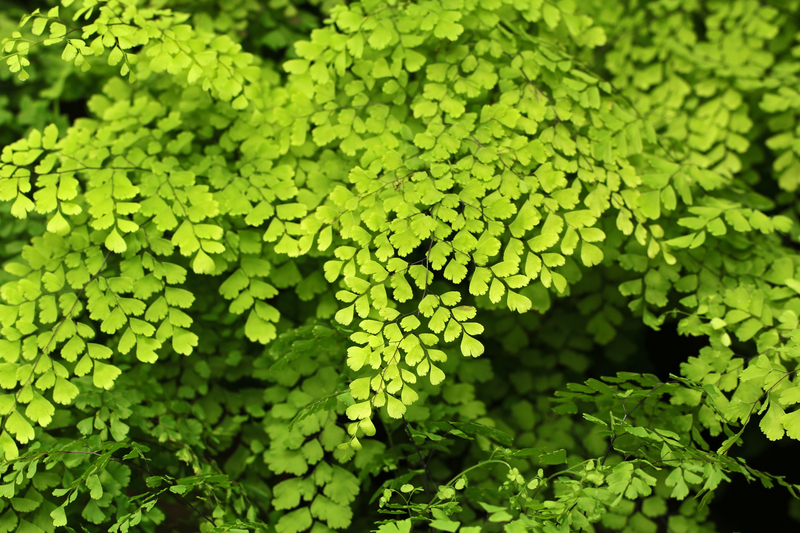
It's easy to feel that our home gardens are insignificant compared to global climate change. However, the aggregate effects are profound. If millions of gardeners each sequester even a small amount of carbon, provide pollinator habitat, or replace lawns with native plants, it adds up to measurable, landscape-scale change. Cities with strong gardening cultures can reduce their carbon footprints while improving resilience, public health, and biodiversity.
Case Studies: Gardening Projects Making a Difference
- Urban Food Forests: Cities worldwide--from Atlanta, USA to Melbourne, Australia--are transforming public spaces into food-producing, carbon sequestering forests accessible to all.
- Pollinator Pathways: Community groups connect gardens and green spaces with dedicated pollinator highways, boosting biodiversity and supporting climate adaptation.
- School Gardens: Educational gardens teach students about sustainability, ecosystems, and climate action--training the next generation of climate stewards.
Conclusion: Gardening as a Force for Climate Action
Gardening's role in the battle for a stable climate is critical, overlooked, and empowering. From sequestering carbon and nurturing biodiversity to reducing waste and promoting sustainable food systems, gardens are a grassroots response to a global problem. Everyone, regardless of space or resources, can contribute--whether by planting pollinator-friendly flowers, starting a vegetable patch, or advocating for green infrastructure in cities.
By nurturing the earth under our own feet, we participate in the collective restoration of the planet's health and climate. Every garden matters--especially yours.
Ready to become a climate-smart gardener? Start today, and join a movement where small acts grow into big climate victories--one plant at a time.
Latest Posts
Shielding Your Garden from Excessive Wind Blasts
Harnessing Heights for Horticulture: Vertical Gardens
Container gardening: Growing bounties in limited spaces
Blissful Backyards: Unlock the Secrets to Stunning Garden Seating Areas