Emergency gardeners Leyton same day storm damage service: fast, practical help when weather hits hard
When a storm rolls through Leyton, the mess it leaves behind can feel surprisingly personal. One minute the garden is fine; the next, there's a broken fence panel, a snapped branch across the lawn, and a patio covered in leaves, twigs, and whatever the wind fancied throwing at it. That is exactly where an Emergency gardeners Leyton same day storm damage service earns its keep. It is not just about tidying up. It is about making a space safe, getting access back, and stopping a small problem from turning into a much bigger one.
This guide explains what the service actually involves, when you should call for help, how a same-day visit usually works, and what to expect from a reliable local team. You'll also find a practical checklist, a comparison of response options, and a few common mistakes to avoid - because after a storm, people often act fast, and fair enough, but a little structure saves a lot of stress.
- Why emergency storm damage help matters in Leyton
- How same-day storm damage garden service works
- Key benefits and practical advantages
- Who needs this service and when it makes sense
- Step-by-step guidance
- Expert tips for better results
- Common mistakes to avoid
- Tools, resources and recommendations
- Law, compliance and best practice
- Options, methods and comparison table
- Case study or real-world example
- Practical checklist
- Conclusion
- Frequently asked questions
Why Emergency gardeners Leyton same day storm damage service Matters
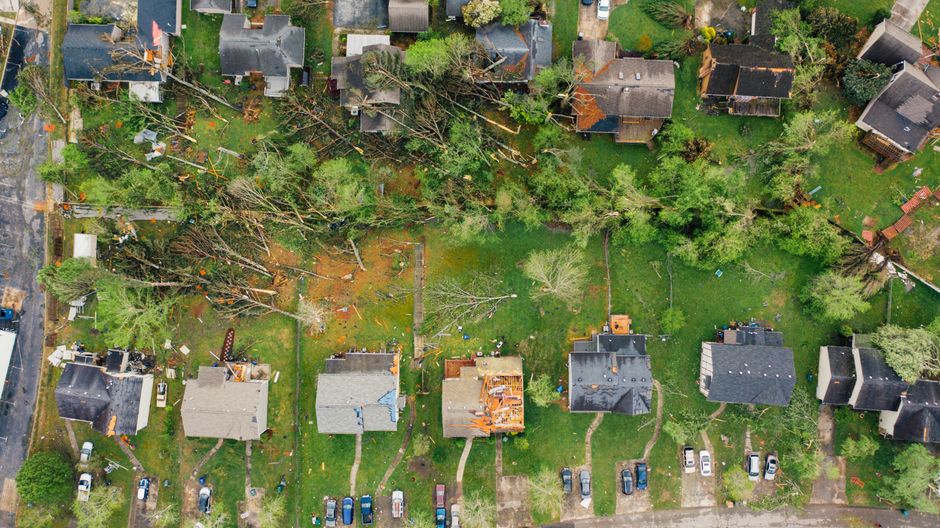
Storm damage in a garden is rarely just cosmetic. A cracked fence can turn into a security issue. A fallen branch can block a driveway or garden path. Slippery debris on paving can create a trip hazard. And if a tree has split or leaned dangerously, the risk can go well beyond the boundary line. In real life, storm damage tends to arrive in layers - first the obvious mess, then the hidden problems underneath.
That is why a same-day response matters. The goal is not to "finish the garden" in one go. It is to stabilise the situation quickly. You reduce risk, protect property, and buy time to plan any deeper repairs. In Leyton, where gardens are often compact and access can be tight, a prompt visit is especially useful because fallen material can block shared paths, rear access, sheds, side returns, or even neighbouring boundaries.
For many homeowners, landlords, and small businesses, the value is simple: peace of mind. You can look at the space and think, right, that's under control now. Not perfect. Controlled. That distinction matters after a storm.
If the damage has affected fencing, boundary lines or structural garden elements, it can also help to review related services such as fencing support or, where the damage is larger-scale, garden clearance. Those are not always needed immediately, but they can be the sensible next step once the urgent risk has been handled.
How Emergency gardeners Leyton same day storm damage service Works
A good same-day storm response should be straightforward. You report the issue, explain what happened, and describe anything that looks unsafe. A professional team then decides whether the job is suitable for urgent attendance and what equipment may be needed. If the situation involves a fallen tree, unstable limb, or serious structural risk, the priority is usually to make the area safe first and deal with the finer tidy-up after.
In practice, the process often follows this pattern:
- Initial contact - You describe the damage, the location in Leyton, and any immediate hazards.
- Quick assessment - The team asks for photos or a brief description so they can judge urgency and access.
- Arrival and safety check - On site, they look for unstable branches, broken panels, loose debris, or slippery areas.
- Immediate make-safe work - This may include clearing access routes, removing dangerous debris, securing loose items, or cutting back unsafe growth.
- Clean-up and disposal - Once the danger is reduced, the team gathers waste and prepares it for removal or recycling where appropriate.
- Next-step advice - If the garden needs follow-up work, you should be told clearly what can wait and what should be addressed soon.
That "make safe first, tidy second" approach is the sensible one. It sounds obvious, but in storm work it is easy to get distracted by the visible mess and forget the real hazard is often the thing half-hidden in it.
Where tree damage is involved, the job may need specialist support from tree surgery services or, for larger removals, tree lopping and removal. Not every storm-damaged branch needs that level of intervention, of course, but if a stem is split or a tree is leaning, it is better to be cautious than brave.
Key Benefits and Practical Advantages
The most obvious benefit is speed. But there are several others that matter just as much once the first panic settles.
- Safety restoration - Broken branches, loose fencing, and scattered debris are dealt with before someone trips or gets hurt.
- Property protection - Fast action can prevent further movement of damaged items, especially during another gusty spell.
- Access recovery - Paths, gates, side returns, and driveways are cleared so you can use the space again.
- Damage control - The sooner a storm-struck area is stabilised, the less chance of the problem spreading.
- Less stress - Let's face it, seeing a chaotic garden every time you look out the window is tiring. A proper response gives you breathing room.
- Better planning - Once the urgent mess is gone, you can decide whether you need repairs, maintenance, or a wider redesign.
There is also a quieter benefit that people often underestimate: confidence. After storm damage, a tidy, controlled space makes it easier to think clearly. That matters when you are deciding whether to repair one panel, replace a section, or organise a more substantial garden upgrade later on.
If the storm has left the wider garden in a messy state, you might later want garden maintenance, hedge trimming, or even landscaping support to bring the space back into shape. Different job, same general principle: do the urgent work first, then reset the garden properly.
Who This Is For and When It Makes Sense
This kind of service is useful for more people than you might expect. It is not only for extreme weather events, and it is not only for large gardens either. In Leyton, storm damage can affect small front gardens, rear courtyards, shared access spaces, rental properties, commercial premises, and family homes with mature planting.
You probably need same-day help if any of the following apply:
- a tree, large branch, or heavy shrub has fallen or split;
- a fence panel is broken, leaning, or partly detached;
- debris is blocking a path, gate, or driveway;
- there is a risk of the damage getting worse if left until tomorrow;
- the garden has become unsafe for children, tenants, customers, or visitors;
- you are preparing a property for inspection, letting, sale, or handover and need the space cleared quickly.
It also makes sense if you are simply not comfortable dealing with ladders, sharp debris, heavy branches, or uncertain structures. No shame in that. Storm damage is one of those jobs where the brave option can be the silly one.
Landlords and managing agents often need a fast response because delay can create complaints, access issues, or further damage claims. Homeowners usually want the same thing for a slightly different reason: they just want their garden back, and quite reasonably so.
Step-by-Step Guidance
If you are dealing with storm damage right now, here is a practical way to handle it without making matters worse.
- Look from a safe distance first. Do not walk straight under hanging branches or unstable fencing.
- Take a few clear photos. These help describe the problem and can be useful for records before anything is moved.
- Check whether access is blocked. Note if gates, side returns, sheds, bins, or vehicle access are affected.
- Identify any urgent hazards. Loose glass, sharp timber, hanging limbs, or leaning structures should be flagged immediately.
- Contact a same-day garden team. Explain the damage simply and honestly. You do not need to diagnose it yourself.
- Keep people away from the area. If you live with children or pets, this step is more important than people think.
- Ask what will happen on arrival. A professional should tell you how they will make the area safe and what the likely next steps are.
- Follow up with longer-term repairs if needed. Broken fencing, heavy pruning, or wider garden recovery can be arranged once the urgent danger is gone.
One small but useful tip: if there is a chance of more bad weather that evening, ask specifically what will be secured and what will be left in a safe interim state. A half-fixed garden in a fresh gust is not ideal. You know the sort of night - wind rattling the bins, a branch tapping the fence, and nobody sleeping brilliantly.
Expert Tips for Better Results
Storm jobs tend to go better when the brief is clear and the first actions are sensible. These are the habits we would recommend every time.
- Be specific about the hazard. "Tree branch across the lawn" is more helpful than "garden is messy".
- Share access details early. Narrow alleys, locked gates, parking limits, and basement-style rear access can change how the visit is organised.
- Separate urgent from non-urgent work. A damaged fence and overgrown hedge may both need attention, but not in the same way or at the same moment.
- Keep children and pets out of the area. This is one of those boring safety reminders that is, annoyingly, genuinely important.
- Ask about disposal. Branches, soil, and mixed green waste should be handled properly, not just dumped in a corner.
- Think beyond the obvious. Sometimes storm damage exposes an older issue, like rotten timber, loose fixings, or weak posts.
If the storm has exposed weak garden structures, it may be worth discussing decking services or fencing once the emergency is over. A storm often reveals where the garden was already tired, even if you had not noticed it before.
Small practical note: take a breath before trying to "just move one bit". That is how people end up making a simple cleanup twice as complicated. Seen it, more than once.
Common Mistakes to Avoid
Storm damage creates urgency, and urgency makes people do odd things. Here are the mistakes that cause the most trouble.
- Trying to cut unstable branches yourself. If the branch is hanging, twisted, or under tension, it can shift suddenly.
- Ignoring a leaning fence or tree. It may look stable for a day or two, but weather can change that very quickly.
- Walking under damaged growth. Even small branches can fall when another gust hits.
- Clearing debris without checking what is underneath. Hidden nails, broken glass, and sharp timber are common surprises.
- Waiting too long to call. If the weather is getting worse, delay can turn a manageable job into a more complex one.
- Assuming everything can be fixed in one visit. Sometimes a same-day job is about making safe, not completing every repair.
The biggest mistake, honestly, is underestimating the aftermath. The storm itself passes quickly, but the clean-up can linger. It is easy to tell yourself "I'll deal with it tomorrow" and then end up staring at bent branches and a broken gate for a week. Not ideal.
Tools, Resources and Recommendations
A competent emergency garden team should arrive prepared with the right equipment for quick, controlled work. That usually means a sensible mix of cutting, clearing, lifting, securing, and waste-handling tools. The exact kit depends on the job, but the principle stays the same: the right tools reduce risk and speed up the make-safe process.
From a customer point of view, the most useful "resources" are actually the things you prepare before the team arrives:
- clear photographs of the damage;
- a short written description of what happened;
- notes on access, parking, and gate codes if relevant;
- details of any urgent risk to neighbours, shared walkways, or parked vehicles;
- information on whether the property is occupied or vacant;
- your preferred contact number for quick updates.
It can also help to have a sense of what you want afterwards. For example, do you want only emergency clearance, or do you also want a full tidy-up and longer-term repair quote? If the storm has left a lot of organic waste, recycling and sustainability is worth keeping in mind, because responsible disposal matters more than people realise.
Where the storm has also affected lawns or hard surfaces, follow-on services such as lawn care or patio cleaning can help restore the garden's appearance once the urgent work is complete.
Law, Compliance, Standards, or Best Practice
Storm damage work sits in a practical middle ground: it is usually a straightforward garden service, but it can touch on safety, access, waste handling, and tree work standards. That means good practice matters. A reputable provider should be careful around unstable structures, work responsibly near boundaries, and treat any hazardous situation with caution rather than bravado.
In the UK, there are general expectations around workplace health and safety, and garden teams should have their own procedures for risk assessment, safe handling, and insurance. You do not need to become a compliance expert yourself, but you should expect clear communication about safety and what the team can and cannot do on the day.
Useful questions to ask include:
- How will the team make the area safe before starting?
- What happens if the damage is larger than first expected?
- Are the workers insured for the type of work being carried out?
- How will waste be removed or disposed of?
- If tree work is needed, is the approach appropriate for the situation?
You can also review a provider's own policies, such as health and safety policy, insurance and safety information, and terms and conditions. Those pages will not tell you everything about a particular visit, but they do help you judge whether the company takes the work seriously.
Best practice, in plain English, is simple: safe assessment, clear communication, proper disposal, and no unnecessary risks. That should be the baseline, not the bonus.
Options, Methods, or Comparison Table
Not every storm damage situation needs the same type of response. The right option depends on how urgent the hazard is, how much debris there is, and whether the damage is limited to surface clutter or involves trees, fencing, or structural elements.
| Response option | Best for | Typical strengths | Limitations |
|---|---|---|---|
| Same-day emergency gardener | Unsafe debris, broken garden access, urgent clean-up, immediate make-safe work | Fast attendance, practical on-site decisions, quick risk reduction | May not complete full repairs in one visit |
| General garden maintenance visit | Routine tidying after light storm fallout | Good for ongoing upkeep and re-ordering the space | Usually not suited to urgent hazards |
| Tree surgery or tree removal support | Split limbs, unstable trees, heavy canopy damage | More suitable for complex or dangerous tree issues | May require more planning and specialist equipment |
| Garden clearance | Large amounts of storm waste or mixed debris | Efficient for bulky material and broader clear-outs | Not always focused on immediate make-safe priorities |
For many Leyton properties, the first call is the emergency gardener, and the second step is the more specialist or cosmetic work once the danger is gone. That sequence tends to keep costs sensible and decision-making easier. In other words: solve the urgent problem, then choose the tidy-up properly.
Case Study or Real-World Example
Picture a typical Leyton rear garden after a windy night. A mature shrub has snapped at the base, one fence panel has lifted partly out of its post, and several branches have dropped across the path to the shed. Nothing is dramatic enough for a film scene, but it is enough to make the space awkward and unsafe.
The homeowner calls early in the morning and explains that the side access is narrow and the back gate sticks a little. A same-day team attends, checks the broken points, clears the path first, and removes the unstable material before doing any tidy-up. The fence panel is secured enough to stop further movement, and the heavier debris is taken away. Later, the homeowner decides whether to repair the fence immediately or wait until the next routine improvement visit.
What made the difference? Not fancy equipment. Not clever talk. Just a calm sequence: assess, make safe, clear, advise. That is the real value of a proper storm damage service. It brings order to a situation that probably felt a bit chaotic at 8:00 in the morning, with the wind still rattling the bins outside.
In some cases, the aftermath also leads to a wider rethink. A damaged corner might prompt a small redesign, or a tired boundary might be replaced as part of broader landscape gardening or maintenance work. Storms can be annoying, yes, but they sometimes reveal the weak spots you would otherwise have ignored for another year.
Practical Checklist
Use this simple checklist if you need emergency garden help after storm damage.
- Identify the most dangerous part of the damage first.
- Keep people and pets away from the affected area.
- Take photos before moving anything if it is safe to do so.
- Note blocked access, loose panels, or hanging branches.
- Contact a same-day service and explain the issue clearly.
- Ask whether the visit will focus on make-safe work, clearance, or both.
- Confirm how waste will be removed or handled.
- Check whether follow-on repairs are likely to be needed.
- Review safety information, insurance, and terms if you are arranging a larger job.
- Plan the next stage once the urgent risk has been dealt with.
Expert summary: storm damage work is at its best when it is calm, quick, and practical. The aim is not to make the whole garden beautiful on the spot. It is to stop the chaos from spreading, restore safe use, and set up the next proper repair with as little fuss as possible.
Conclusion
Storm damage is unsettling because it turns a familiar garden into a problem space. But with the right same-day help, that problem becomes manageable surprisingly fast. The best Emergency gardeners Leyton same day storm damage service will focus on safety first, clear access second, and sensible follow-up after that. It should feel steady, not dramatic.
If you are facing broken fencing, fallen branches, debris on the path, or a garden that simply needs making safe before the next gust comes in, do not wait around hoping it will sort itself out. A prompt response usually saves time, stress, and sometimes money too. And once the worst is cleared, the garden often feels like itself again - just quieter, tidier, and a bit relieved, oddly enough.
Get a free quote today and see how much you can save.
If you want to learn more about the team behind the service, you can also review the about us page or send a message through the contact us page when you are ready.
Frequently Asked Questions
What counts as storm damage in a garden?
Storm damage usually means broken, displaced, or unsafe garden features caused by high wind, heavy rain, or falling debris. That might include fallen branches, damaged fencing, uprooted plants, blocked paths, or loose structures that could move further if left alone.
Can emergency gardeners in Leyton really come out the same day?
Yes, if the provider offers same-day attendance and the job is suitable for urgent response. The key factor is often the level of risk and how quickly you can explain the situation clearly. Photos help, but a simple phone description is often enough to get started.
Should I try to move fallen branches myself?
Only if they are clearly light, stable, and safe to handle. If a branch is hanging, twisted, or pressing against a structure, do not pull it free. Branches under tension can shift suddenly, and that is where people get caught out.
What if my fence is leaning but not fully broken?
A leaning fence can still be a problem, especially if more wind is forecast. It may be possible to secure it temporarily or make it safe until a full repair is arranged. A professional can advise whether it needs urgent action or can wait a little.
Do I need tree surgery after storm damage?
Not always. Minor debris can often be cleared by a general emergency garden team. But if a tree has split, lost a heavy limb, or is leaning, specialist tree work may be the safer route. It depends on the type of damage, not just the size of the tree.
What should I do before the team arrives?
Keep the area clear, take a few photos if it is safe, and note anything that seems especially dangerous. If access is awkward, mention gates, parking, or narrow side entrances in advance. That saves time and avoids awkward surprises when the team arrives.
Will the service include waste removal?
It often does, but that depends on the job and the agreed scope. Some visits focus on making the garden safe first, then removing debris as part of the same visit if possible. Always ask how waste will be handled, especially after large storms.
How much does same-day storm damage garden work cost?
Costs vary with the size of the job, access, urgency, and whether specialist work is needed. A small debris-clearance visit is different from a dangerous tree response or fence repair. The sensible approach is to request a quote based on your actual situation rather than guessing.
Is it worth booking a follow-up maintenance visit after the emergency work?
Often, yes. Once the urgent mess is removed, a follow-up visit can tidy the space properly and deal with weakened hedges, patchy lawns, or other damage that was exposed by the storm. It is usually easier to plan when the garden is no longer chaotic.
What if the damage affects a shared boundary or neighbour's side of the garden?
Tell the team as soon as possible, because access and responsibility can become important in shared spaces. It is also wise to be considerate and keep neighbours informed where appropriate, especially if debris is near a common path or dividing fence.
Can storm damage affect patios or decking too?
Yes. Wind and heavy debris can leave patios slippery or cover decking with branches, mud, and leaves. In some cases, damage may also expose loose boards or unstable sections. If you are worried about surfaces being unsafe, mention that when you request help.
How do I know if the job is urgent enough to call immediately?
If someone could trip, if a structure could fall, if access is blocked, or if the damage is likely to get worse with more wind or rain, it is urgent enough. If you are unsure, treat it as a safety issue first and ask for advice. That is usually the right instinct.
What makes a good storm damage service different from ordinary garden maintenance?
Speed, caution, and prioritisation. Regular maintenance is about keeping a garden looking and functioning well over time. Emergency storm work is about making the area safe and usable as quickly as possible, then deciding on the next step afterwards. Different job, different mindset.